
Table of Contents
Transportation and Distribution Operations: Driving Efficiency, ROI, and Scalable Growth
Transportation and distribution operations are no longer back-office functions. They are core drivers of customer experience, cost control, and business growth. As organizations expand their footprint, add channels, or respond to market volatility, transportation and distribution quickly become either a competitive advantage or a limiting factor.
Many organizations find themselves struggling with rising freight costs, inconsistent service levels, limited visibility across shipments and inventory, and technology ecosystems that no longer reflect how the business actually operates. These challenges are rarely caused by a lack of effort or talent. More often, they stem from fragmented systems, misaligned processes, and technology decisions made without a clear operational strategy.
Improving transportation and distribution performance requires more than purchasing new tools. It requires a deliberate approach that aligns people, processes, and technology around measurable operational and financial outcomes.
This is where Victoria Fide Consulting partners with organizations to help transform transportation and distribution operations into scalable, data-driven engines of growth.
Transportation and Distribution Operations: Current Challenges and Opportunities
Transportation and distribution environments have become increasingly complex. Organizations are expected to deliver faster, manage tighter delivery windows, support omnichannel fulfillment, and control costs, all while navigating capacity constraints and economic uncertainty.
Common operational challenges include:
- Limited end-to-end visibility across transportation and distribution networks
- Disconnected ERP, TMS, WMS, and carrier systems
- Manual planning, scheduling, and execution processes
- Inconsistent or unreliable data across systems
- Reactive issue management instead of proactive planning
These challenges create friction across the organization. Transportation teams struggle to optimize freight spend. Distribution centers operate without accurate demand and inbound visibility. Finance teams lack confidence in cost forecasts. Customer service teams are forced to manage exceptions rather than deliver consistent experiences.
At the same time, these challenges represent significant opportunity. Organizations that address transportation and distribution inefficiencies can unlock cost savings, improve service levels, and build operational resilience that supports long-term growth.
Common Transportation and Distribution Inefficiencies Impacting ROI
Transportation and distribution inefficiencies directly impact profitability and cash flow. When systems and processes are misaligned, costs increase quietly and continuously.
Freight spend rises when routing, mode selection, and carrier decisions are not supported by accurate data. Distribution costs increase when inventory is positioned incorrectly or replenishment decisions lack visibility into transit performance. Labor costs grow as teams rely on manual workarounds to compensate for system limitations.
Beyond direct costs, inefficiencies erode ROI by limiting leadership’s ability to make informed decisions. Without reliable data, organizations struggle to identify true cost drivers, measure performance improvements, or justify future investments.
Improving ROI requires understanding how transportation and distribution inefficiencies cascade across operations, finance, and customer experience.
Why Transportation and Distribution Technology Alone Falls Short
Many organizations attempt to solve transportation and distribution challenges by implementing new technology platforms or adding point solutions. While technology is a critical enabler, it rarely delivers value in isolation.
When systems are implemented without clear process definitions and stakeholder alignment, they often replicate existing inefficiencies in a digital format. Teams struggle with adoption, data quality issues persist, and expected ROI fails to materialize.
Technology should support how the business operates, not dictate it. Successful transportation and distribution optimization begins with defining how work should flow across planning, execution, finance, and customer service. Only then can technology be selected, configured, and integrated to enable those workflows.
Organizations that skip this step often find themselves investing in additional tools to fix problems created by earlier implementations.
Aligning People, Process, and Technology in Transportation and Distribution
Sustainable improvement in transportation and distribution operations requires alignment across people, processes, and technology.
Transportation and distribution touch multiple functions, including procurement, operations, finance, sales, and customer service. When these teams operate in silos, inefficiencies multiply. Decisions made in one area often create unintended consequences elsewhere.
Aligning people and processes ensures workflows are standardized, ownership is clear, and accountability is established. This alignment reduces variation, improves data accuracy, and enables consistent execution across locations and business units.
Technology then becomes an enabler of that alignment. When systems reflect real operational needs, teams are more likely to adopt them, data quality improves, and leadership gains visibility into performance across the transportation and distribution lifecycle.
How Victoria Fide Consulting Improves Transportation and Distribution Operations
Victoria Fide Consulting partners with organizations to improve transportation and distribution performance through a structured, process-first approach focused on outcomes.
VF begins by assessing current-state operations to identify inefficiencies, system gaps, and misalignment between strategy and execution. This assessment looks beyond individual systems to understand how work flows across the organization.
From there, VF helps define future-state processes that support operational goals, scalability, and financial performance. These processes form the foundation for technology decisions, ensuring systems are selected and configured to deliver real value.
VF supports solution selection and system optimization across ERP, TMS, WMS, and analytics platforms. Rather than promoting specific vendors, VF focuses on aligning solutions to operational requirements, integration needs, and ROI expectations.
Change management and adoption are integral to VF’s approach. Teams are prepared for new ways of working, stakeholders are aligned, and processes are designed to be sustainable long after implementation.

Transformation is not easy, but it doesn’t have to be impossible. Take control of your project’s success today and schedule a free 30-minute consultation to find out how Victoria Fide can equip you for transformational success.
Driving Operational Efficiency and ROI Through Integrated Systems
When transportation and distribution systems are properly aligned and integrated, organizations gain meaningful visibility into operations and financial performance.
Integrated systems reduce manual intervention, eliminate duplicate data entry, and improve data accuracy. This enables more effective planning, better carrier and mode optimization, and faster response to disruptions.
Organizations commonly achieve measurable improvements such as reduced freight spend through improved carrier management, lower labor costs through automation and standardized workflows, improved inventory turns and reduced carrying costs, and higher on-time delivery performance.
These gains translate directly into stronger ROI and improved decision-making at the executive level. Leadership teams gain confidence in forecasts, budgets, and investment decisions.
The Role of Data and Analytics in Transportation and Distribution
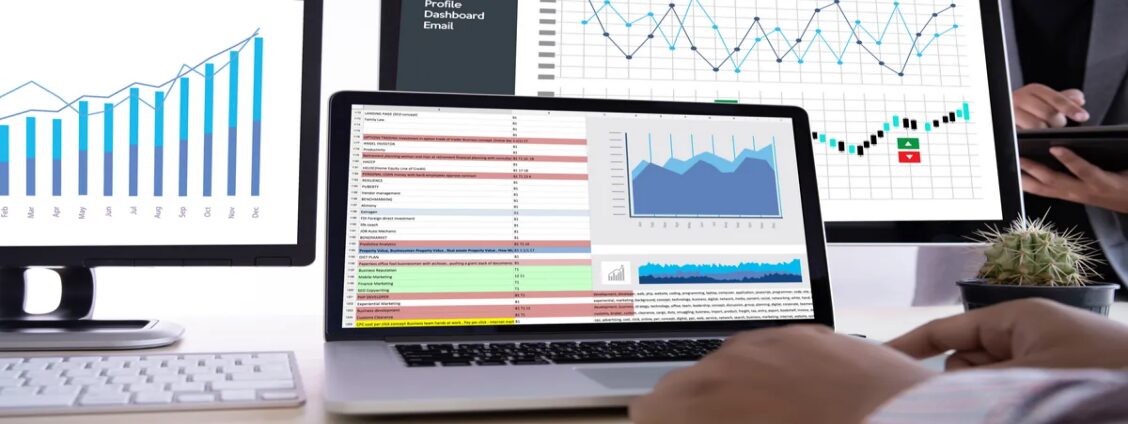
Data is only valuable when it is accurate, timely, and actionable. Many transportation and distribution organizations collect large volumes of data but struggle to turn it into insight.
Integrated systems enable organizations to move beyond basic reporting toward analytics that support decision-making. This includes visibility into cost drivers, service performance, capacity utilization, and demand patterns.
With reliable data, organizations can shift from reactive issue management to proactive planning. They can identify trends, evaluate tradeoffs, and continuously improve transportation and distribution performance.
Analytics also play a critical role in demonstrating ROI, helping organizations measure the impact of operational improvements and justify future investments.
Building a Scalable Transportation and Distribution Operating Model
As organizations grow, transportation and distribution operations must scale without adding unnecessary cost or complexity. A scalable operating model is built on standardized processes, integrated systems, and clear performance metrics.
This model enables organizations to support growth initiatives, expand into new markets, and adapt to changing customer expectations. It also reduces reliance on tribal knowledge and manual intervention.
By establishing a strong operational foundation, transportation and distribution become strategic enablers rather than constraints. Organizations gain the flexibility to respond to change while maintaining efficiency and service levels.
Next Steps for Transportation and Distribution Optimization
Improving transportation and distribution performance starts with understanding how current operations align with business objectives. Organizations that take a structured, process-driven approach to optimization are better positioned to achieve efficiency gains, improve ROI, and support long-term growth.
Victoria Fide Consulting helps organizations move forward with confidence by aligning operations, technology, and execution. When transportation and distribution are treated as strategic capabilities, they deliver measurable value across the enterprise.
